

Available now
Six sessions · self-paced
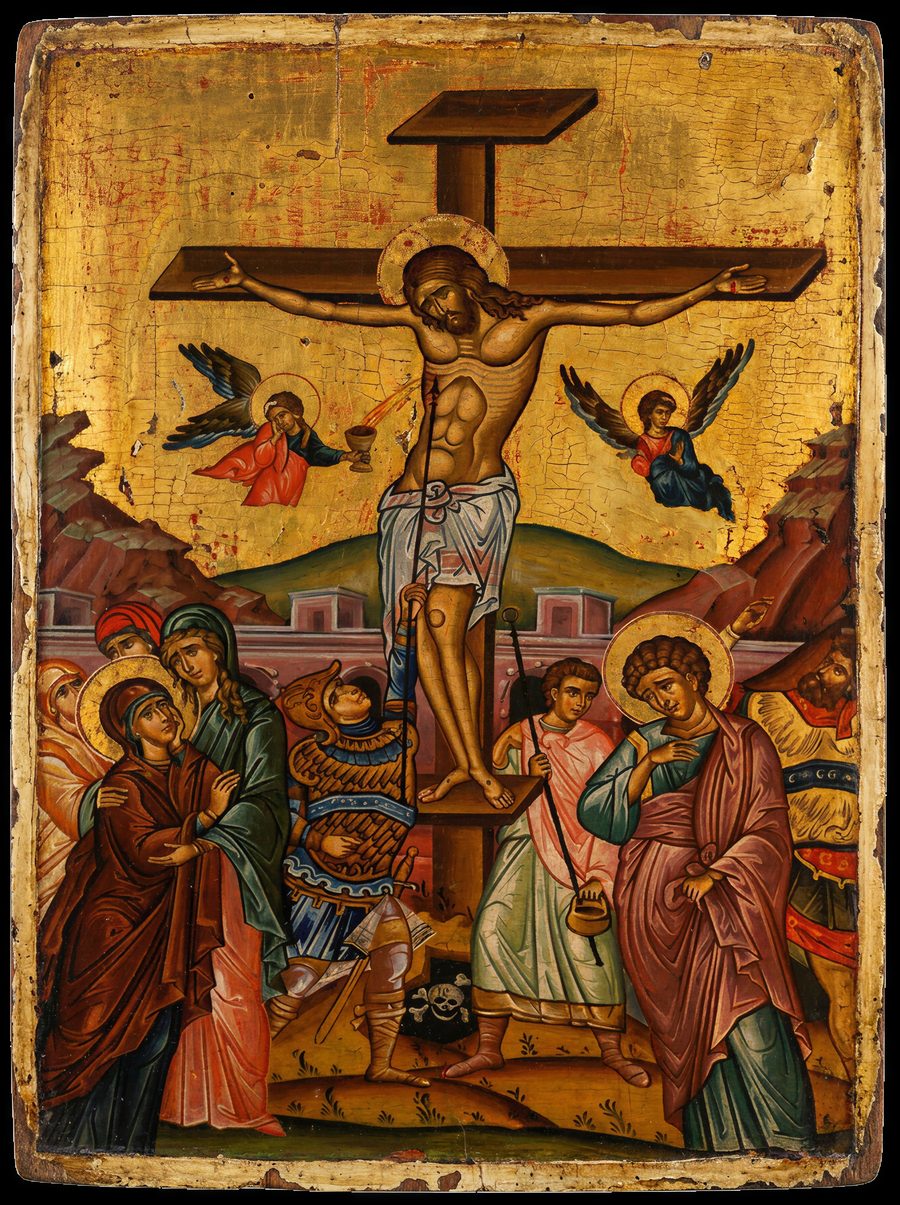
Christ the True Israel
Most of us were handed an end-times framework before we were handed the covenant. This works through what Scripture actually says about the promises to Abraham — the vineyard, the land, the kingdom, the one new man — and why the Church read them as fulfilled in Christ rather than postponed to a nation-state. Justin, Irenaeus, Chrysostom, Cyril, Augustine and Tertullian argue inside the study rather than being quoted at the end of it.
Begin the study
In preparation
The next question
More studies are added as they're written, each built the same way and held to the same standard. If there's a question you're stuck on, it's worth knowing which ones are coming.
How to use these
Open a Bible and read the passages listed at the top of each session before you read a word of the commentary. The argument only lands if the text is already in front of you — and reading it cold is the only way to know whether the commentary is being fair to it.
Every Scripture reference on every page is a live link. Click it and the passage opens in the New King James Version at BibleGateway, in a new tab, so you never have to take a quotation on anyone's word. Where the New Testament quotes the Old, the source text is printed alongside it — an argument that turns on Genesis isn't checkable if Genesis is only cited.
The Fathers are quoted at length and always with the work and chapter, and every study ends with direct links to the full translations. You don't have to accept their authority to find it worth knowing what they said. Their weight here is cumulative: what matters is that across six centuries, in Greek and Latin, from both halves of the empire, they read a passage a particular way — not that any one sentence settles anything.
Progress marks are kept in your own browser only. Nothing is collected, nothing is sent anywhere, and nothing follows you to another device.